

At press time, the closure of the Strait of Hormuz — one of the world’s busiest oil shipping channels — due to military conflict with Iran was disrupting global oil supplies. The events inspired Jim Leach, former vice president of communications at Colgate, to reflect:
In 1973 members of the Organization of Petroleum Exporting Countries (OPEC) embargoed oil shipments to the U.S. to protest U.S. support of Israel in the Yom Kippur War. Five years later, in 1979, the Iranian Revolution resulted in a 75–80% reduction in Iranian oil shipments. News coverage of those crises depicted long gas lines as drivers queued up at their local stations.
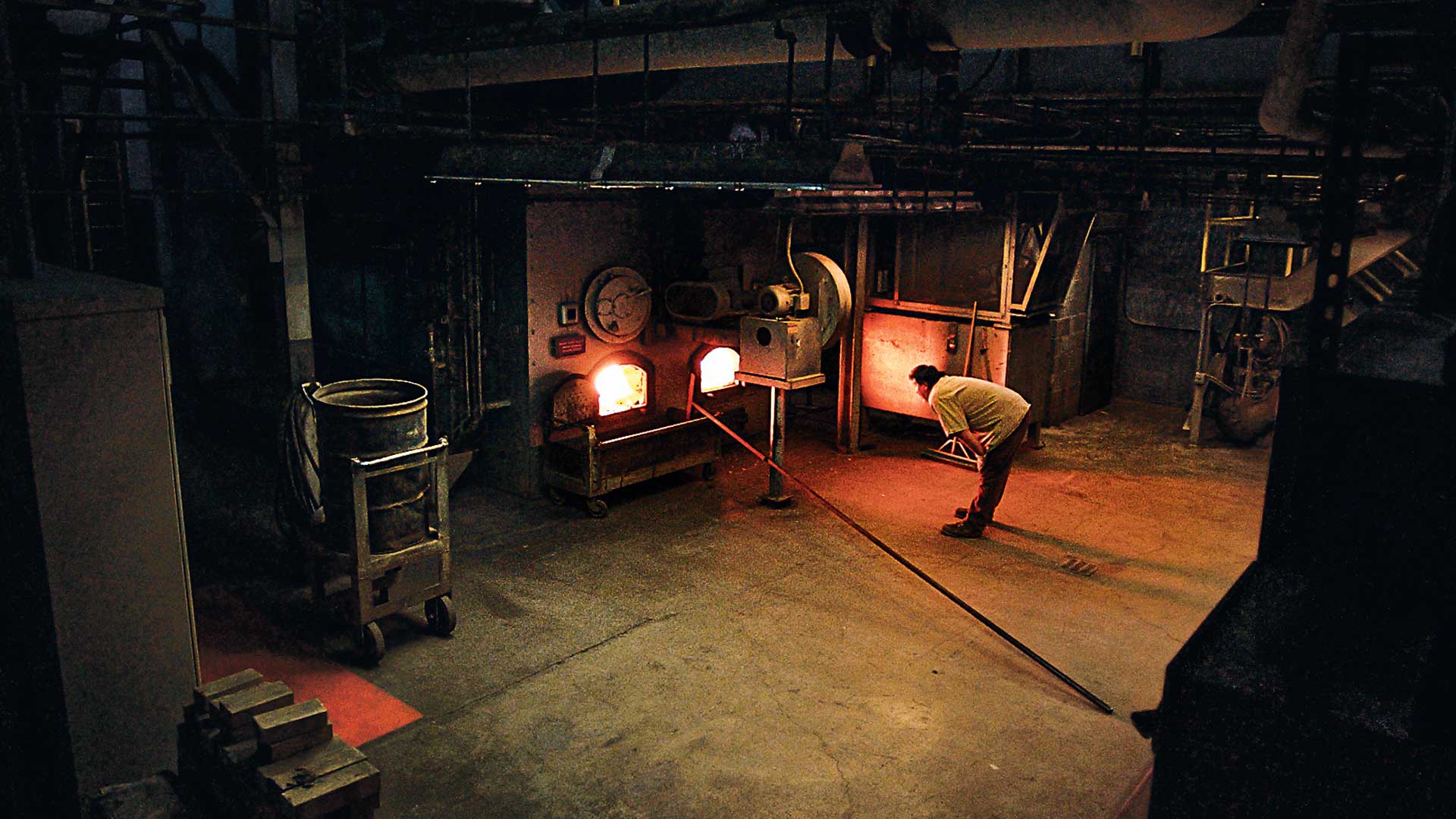
The shortage also affected heating oil supplies, including the #6 fuel oil that fired Colgate’s boilers. The late Ron Suiter, a PhD psychologist who was Colgate’s director for corporate and foundation support, wrote a proposal to the U.S. Department of Energy (DOE) for a grant to underwrite the cost of installing a high-tech, wood-fired boiler to supply the University’s heat and hot water. The DOE provided $480,000 toward the $700,000 cost of installing the new boiler — which is still in use today and meets 80–100% of Colgate’s need for heat and hot water.
The current situation provides an opportunity to mention that prescient decision 45+ years ago.