

Kyle Bass, Theater

A playwright and theater professional, Kyle Bass fosters human-to-human connections through his creative works. His departmental courses include: Playwriting; Contemporary African American Drama; Theater Practicum: African American Theater Workshop; Narrative Screenwriting; and Research Seminar in Dramatic Writers. He also teaches Core Communities and Black Upstate New York. His major dramatic works include Possessing Harriet; Citizen James, or The Young Man Without a Country; and Toliver & Wakeman. Bass’ other scholarly endeavors include providing script dramaturgy, working as a playwright in residence at other universities, and serving as an editor for Stone Canoe. He has obtained external grants from the New York State Council on the Arts and New York Foundation for the Arts. Bass’ dramatic writing contributes to the exploration of the meaning of place, race, the search for dignity, and the tension between our nation’s past and present.
Jacob Goldberg, Chemistry

Jacob Goldberg’s expertise in chemical biology, organic chemistry, and biochemistry is applied to the development of chemical tools to understand complex problems in biology — for example, how small molecules cause large proteins to change shape and how such rearrangements affect the function of the protein. Goldberg’s lab develops chemical tools in three areas: zinc neurobiology, bioconjugation, and protein spectroscopy. His published work appears in top journals including the Proceedings of the National Academy of Sciences, Nature Structural & Molecular Biology, Journal of Neuroscience, and Scientific Reports. A subset of the papers includes Colgate student co-authors. He has been awarded grants from the National Science Foundation, National Institutes of Health, and the American Chemical Society, and he holds a patent for Pnictogen-containing Heterocyclic Compounds from the World Intellectual Property Organization. Goldberg teaches several courses in chemistry and biochemistry, as well as a Core sciences class, Poisons.
Isla Globus-Harris, Economics
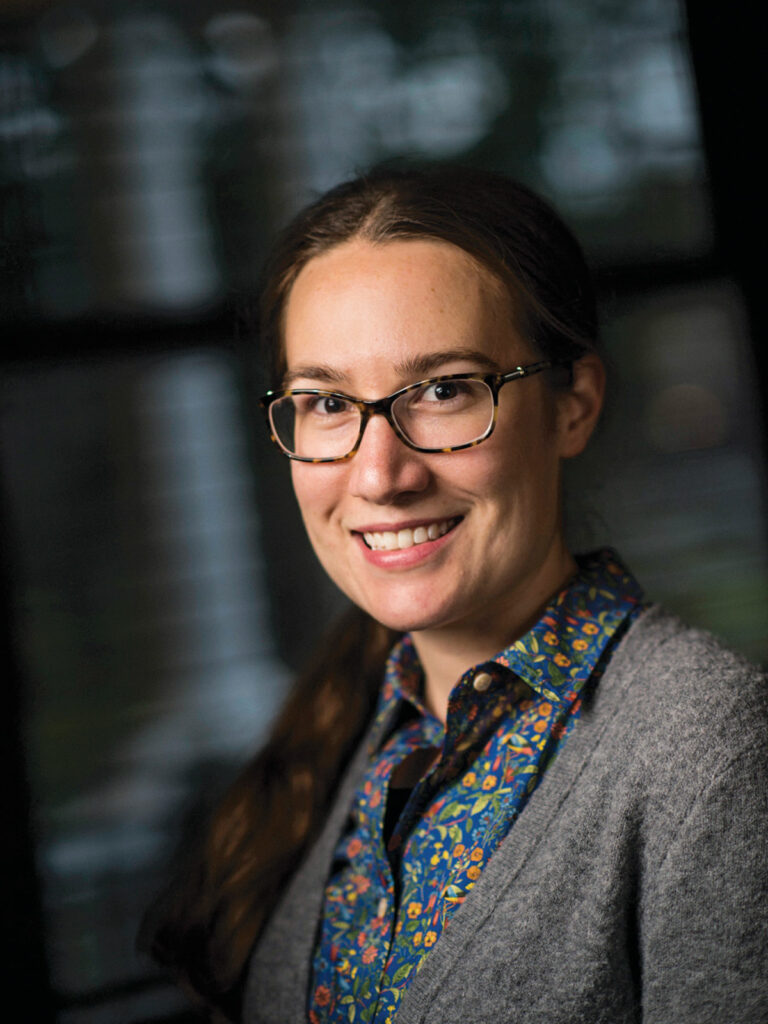
An environmental economist whose research combines mechanism design theory with empirical analysis, Isla Globus-Harris explores policies that induce environmentally friendly actions not required by law. Her work has appeared in leading economics journals, including Journal of the Association of Environmental and Resource Economists and Journal of Environmental Economics and Management. She teaches multiple sections of Introduction to Economics, upper-level classes in environmental economics, and a Core Scientific Perspectives class called Cooperation and the Environment. For the past five years, Globus-Harris has also been the faculty liaison for the men’s and women’s cross country and track and field teams.
Paul Harnik, Earth and Environmental Geosciences

Specializing in paleobiology, Paul Harnik uses a combination of fieldwork, specimen-based study, statistical analysis, and modeling to investigate questions related to the causes and consequences of extinction and anthropogenic impacts on biodiversity. His research focus is on marine ecosystems, with recent work in the northern Gulf of Mexico and urbanized marine ecosystems near Hong Kong. Through support from the Picker Interdisciplinary Science Institute, he is contributing to a collaborative project on determining the impacts of anthropogenic climate change on calcifying marine organisms. He has published widely, with recent articles in journals such as Annual Review of Marine Science, Continental Shelf Research, Marine Micropaleontology, and Anthropocene. A subset of the papers include undergraduate student co-authors. His research accomplishments have been recognized with a National Science Foundation CAREER grant and a Presidential Early Career Award for Scientists and Engineers. Harnik’s geology courses include Sustainable Earth, Paleontology of Marine Life, Conservation Paleobiology, and a cross-listed, team-taught class on Evolution of Form and Function in Biomineralizing Marine Animals. He also teaches a Core sciences class, The Anthropocene. Harnik serves on the Faculty Committee on Affirmative Action Oversight, Committee on ALANA Affairs, and the Environmental Studies Program Steering Committee. He played a key role in developing the NASC Division STARS program that pairs first-year students from under-resourced high schools with a faculty research mentor.
Richard Klotz, Economics
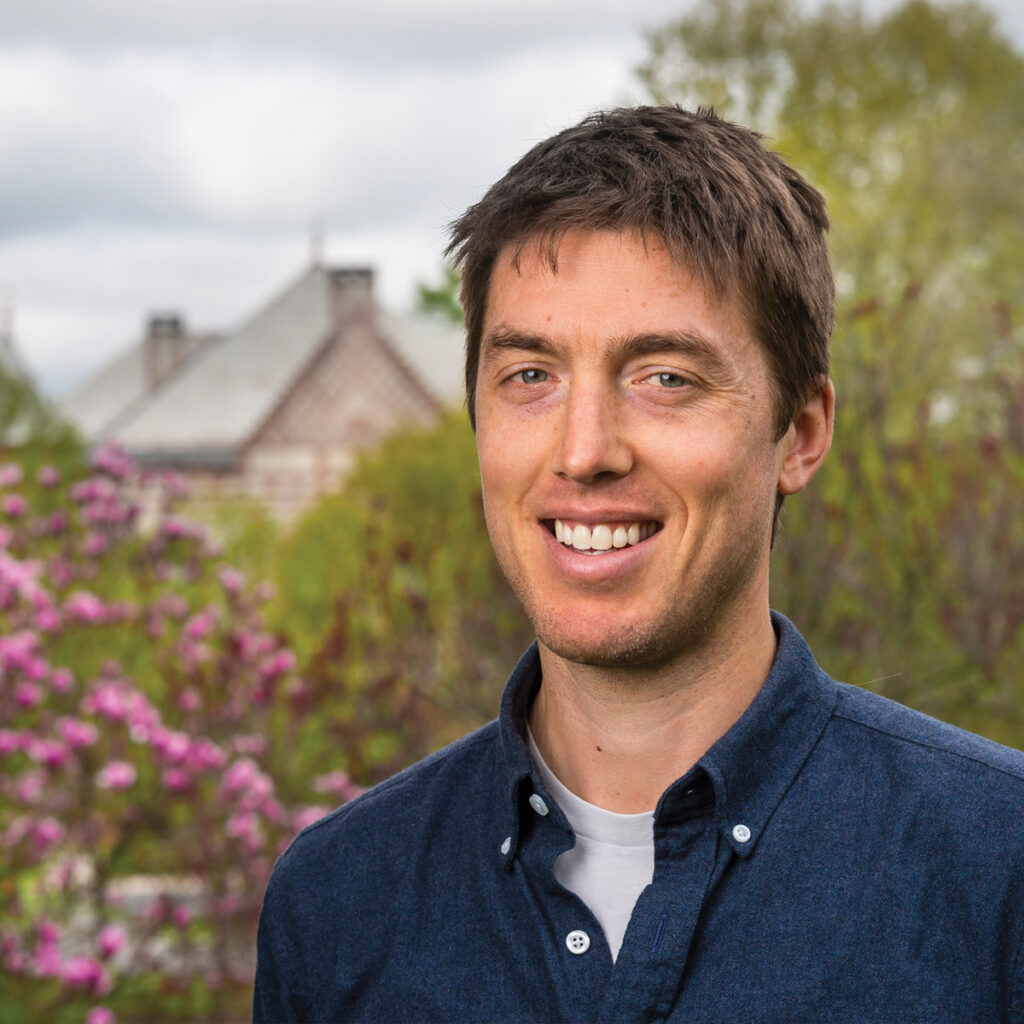
An environmental economist, Richard Klotz works to improve environmental policy decisions — particularly those surrounding air and climate pollution — by revealing the intended and unintended impacts of regulations. He has published papers in top economics journals, such as Energy Journal, Journal of the Association of Environmental and Resource Economists, and Economics of Energy & Environmental Policy. Klotz teaches Applied Econometrics, multiple courses in environmental economics, and a Core Scientific Perspectives course, Measuring the Environment. His service to Colgate includes the Committee on Information Technology, the University Properties Committee, and the Carbon Offsets Subcommittee of the Sustainability Council. Since 2019 he has been the faculty liaison for the Colgate men’s soccer team.
Monica Mercado, History
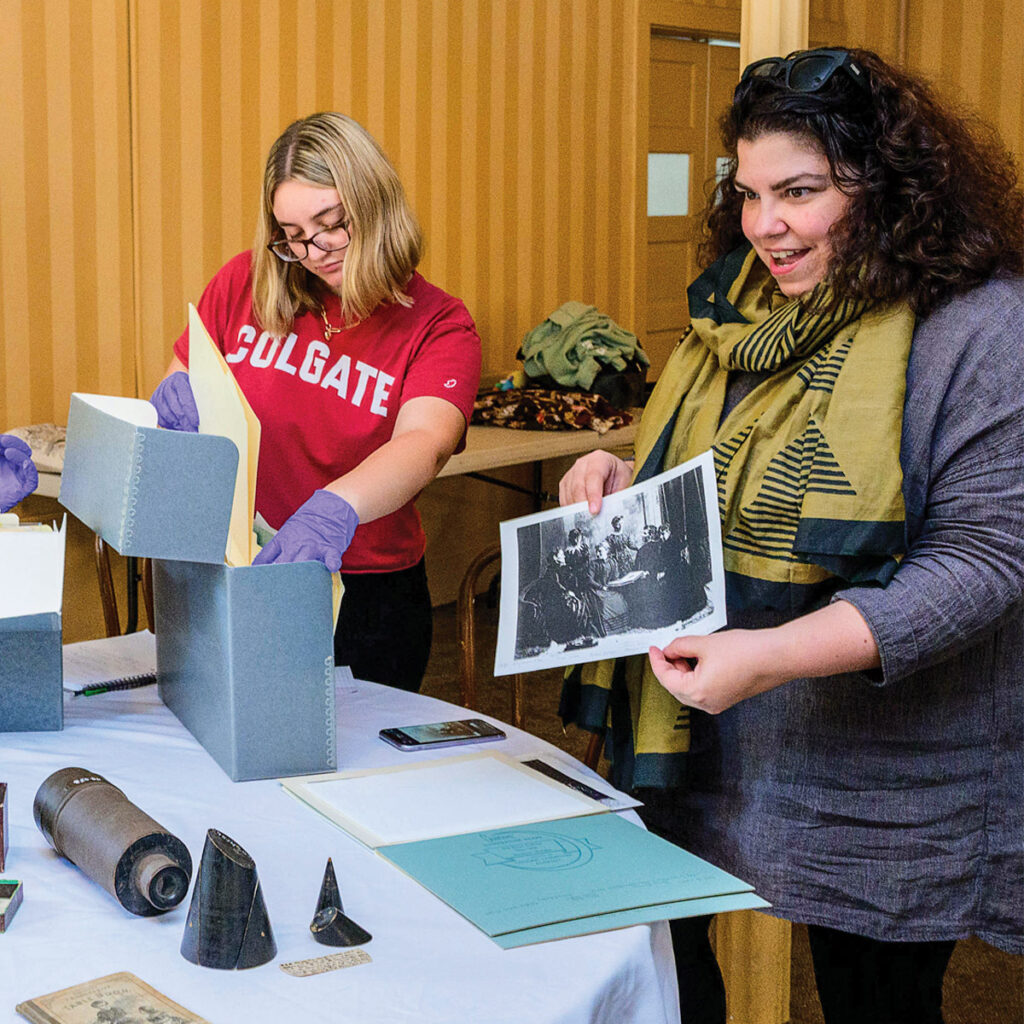
Monica Mercado’s scholarship focuses on the development of young women’s gender and religious identities in the 20th century U.S., especially in the context of Catholic education. She has published in venues such as Religion and American Culture and Smithsonian Magazine and has an in-progress book project titled An Archive of Girlhood: The Convent Academy in Catholic America. Mercado is a pioneer in the use of material culture for historical analysis and brings her work to a broad audience via public scholarship in the form of museum exhibitions and online fora. Her courses have a deep connection to regional history, with offerings such as Upstate History and Curating Public History: Utopia, Sex and Silver at the Oneida Community Mansion House.
Javier Padilla Rios, English
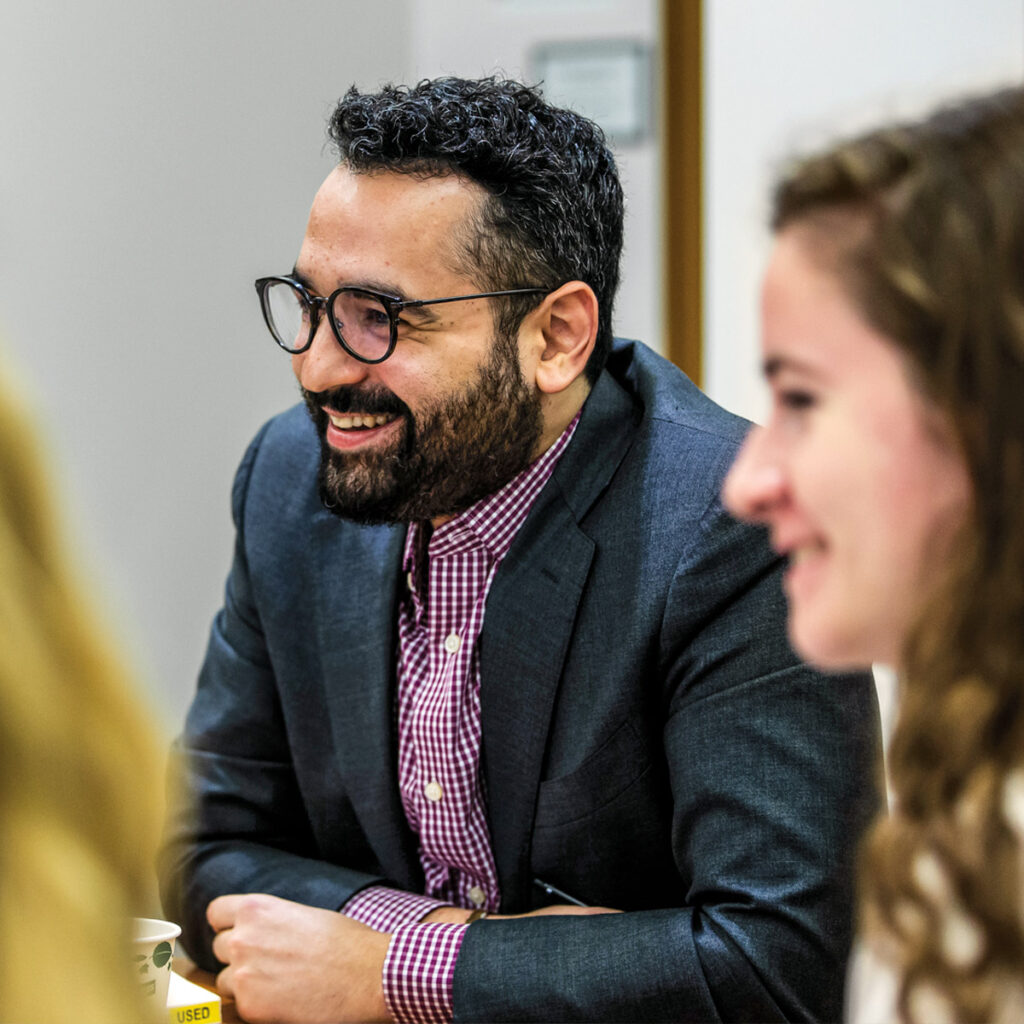
Javier Padilla Rios’ research and teaching are deeply rooted in his upbringing in Nicaragua, where he spent his formative years amidst revolution, civil war, and other social upheaval. His courses include Justice and Power in Postcolonial Literature, New Immigrant Voices, Latinx Literature, Inventing Ireland, and James Joyce. Padilla Rios has published articles such as “Thinking Revolution: The Decolonial Instant in Ernesto Cardenal’s Documentary Poems” in Modern Philology, “Political Theology from the Global South” in Interventions: International Journal of Postcolonial Studies, and “Yeats’s Meditative Spaces: Between Modernity and Coloniality” in the Journal of Modern Literature. His publications include a poetry collection, Dodecadencias, through Valparaíso Ediciones, and a translation of poems by Carlos Martínez Rivas.
Anne Perring, Chemistry
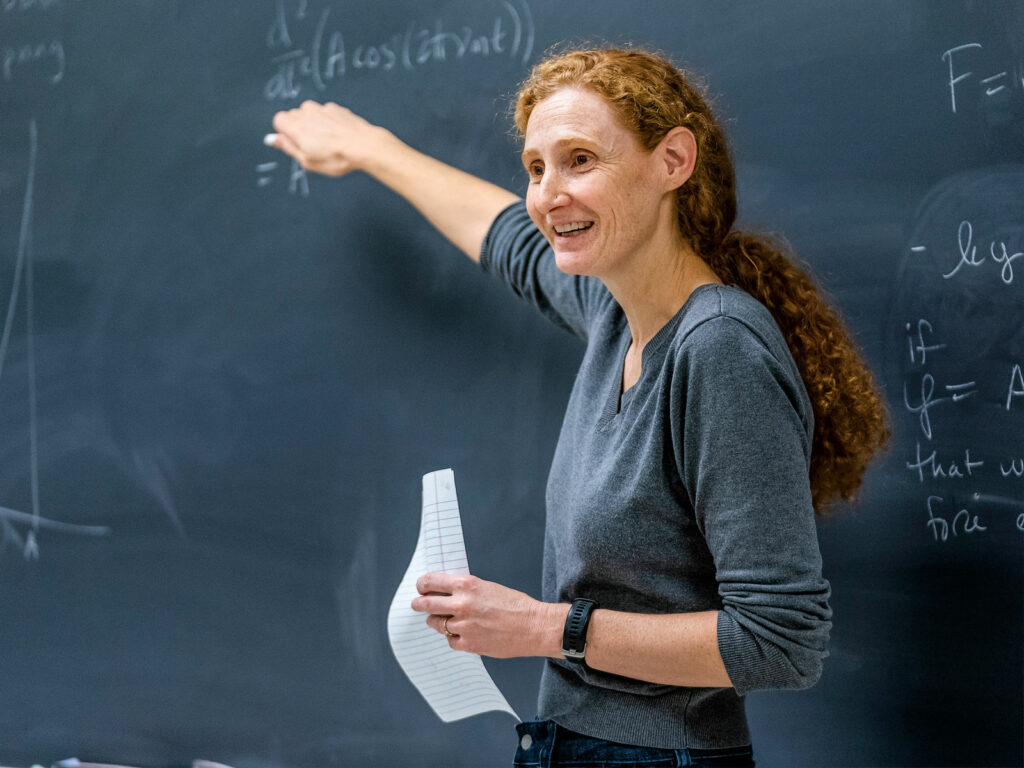
Anne Perring’s research looks at the impact that primary aerosol can have on cloud formation and the hydrological cycle, as well as human, animal, and plant health. She teaches general chemistry courses, as well as Environmental Chemistry, Practical Quantitative Analysis, and Instrumental Methods. Perring’s scholarship is broadly important to the atmospheric chemistry community and dramatically boosts the national profile of the chemistry department. Her articles have appeared in several journals, including Atmospheric Chemistry and Physics, Journal of Geophysical Research: Atmospheres, and Environmental Science & Technology. Her service to the University includes chairing the Sustainability Council and serving as interim (and incoming) director of the Alumni Memorial Scholars Program.
Osvaldo Sandoval Leon, Spanish
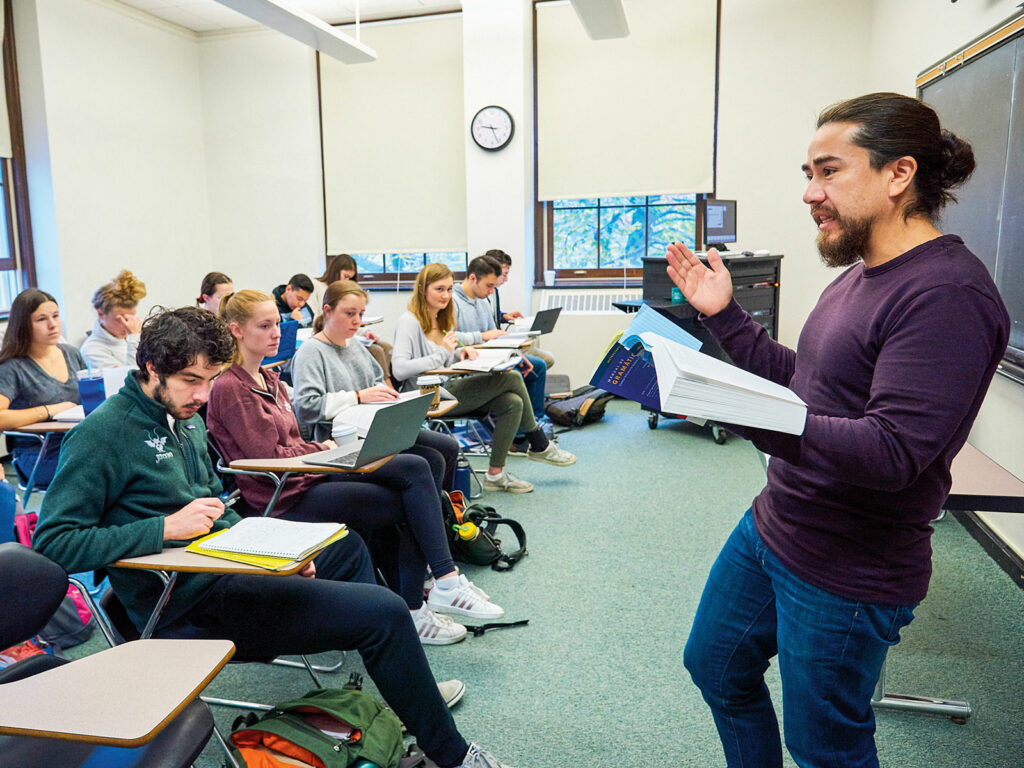
Osvaldo Sandoval Leon’s courses include Latin American Women Dramatists; Core Communities: Mexico; Intermediate Spanish, Language and Literature; and Postdictatorial Transatlantic Theater. His co-edited volume, Partera de la Historia: Violencia en Literatura, Performance y Medios Audiovisuales en Latinoamérica, appeared in 2022, and his articles have appeared in journals such as Cuadernos Literarios; Cuadernos del CILHA: Centro de Literatura Hispanoamericana; and the Journal of Gender and Sexuality Studies. Sandoval Leon revived Colgate’s National Collegiate Hispanic Honor Society, and his leadership of this organization has earned him national recognition. His University service includes serving as Latin American Studies coordinator, a member of the Africana and Latin American Studies Steering Committee, and part of the ALANA Affairs Committee.
Daniel Tober, Classics
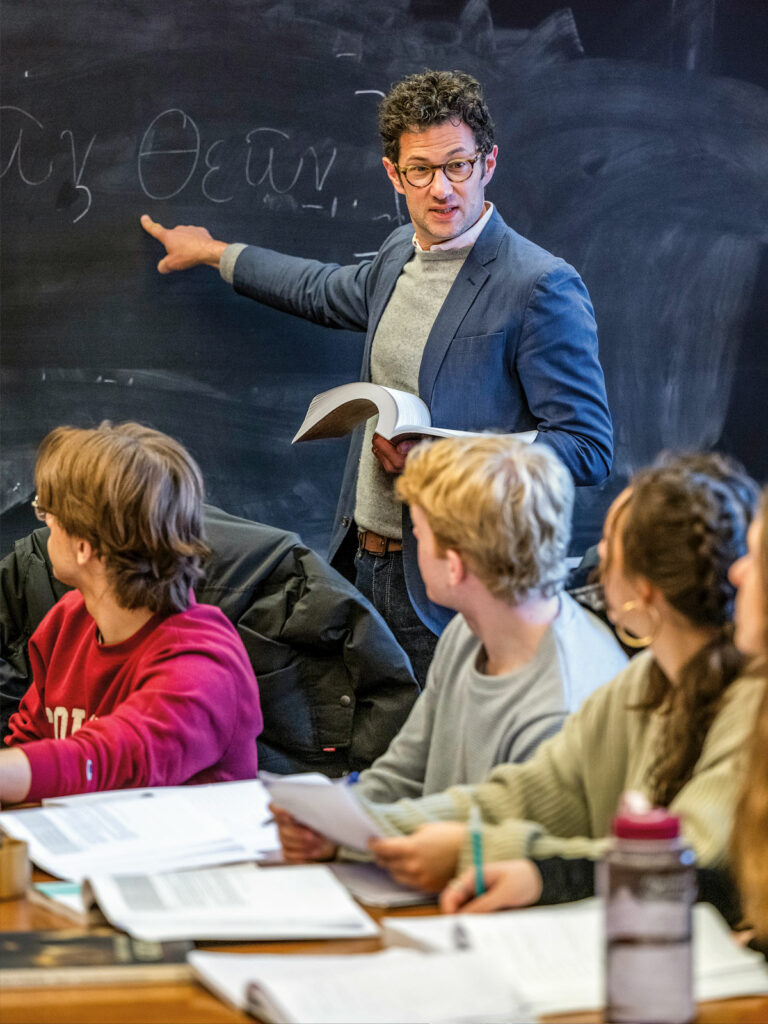
Daniel Tober has offered a wide range of courses, including surveys of Greek and Roman history, Ancient Persia, and the Hellenistic World; a first-year seminar on Alexander the Great; introductory Greek and Latin language sequences; and upperlevel seminars on Greek and Roman authors and genres, such as Homer, Herodotus, Plato, Greek Tragedy, and Roman Oratory. He has also co-led an extended study to Greece and Italy. His research interests include Greek and Roman historiography, local historiography, Achaemenid Persia, and Alexander the Great and the Alexander Romance. Tober’s articles have appeared in Classical Quarterly and Historia, and his book chapters in volumes, including Identities in Antiquity, Cultures of Resistance in the Hellenistic East, and the Oxford Classical Dictionary. He is currently working on a book on Hannibal Barca. Tober’s University service includes membership on the Academic Affairs Board, the Advisory and Planning Committee, the Faculty Affairs Committee, and the Faculty Development Council.